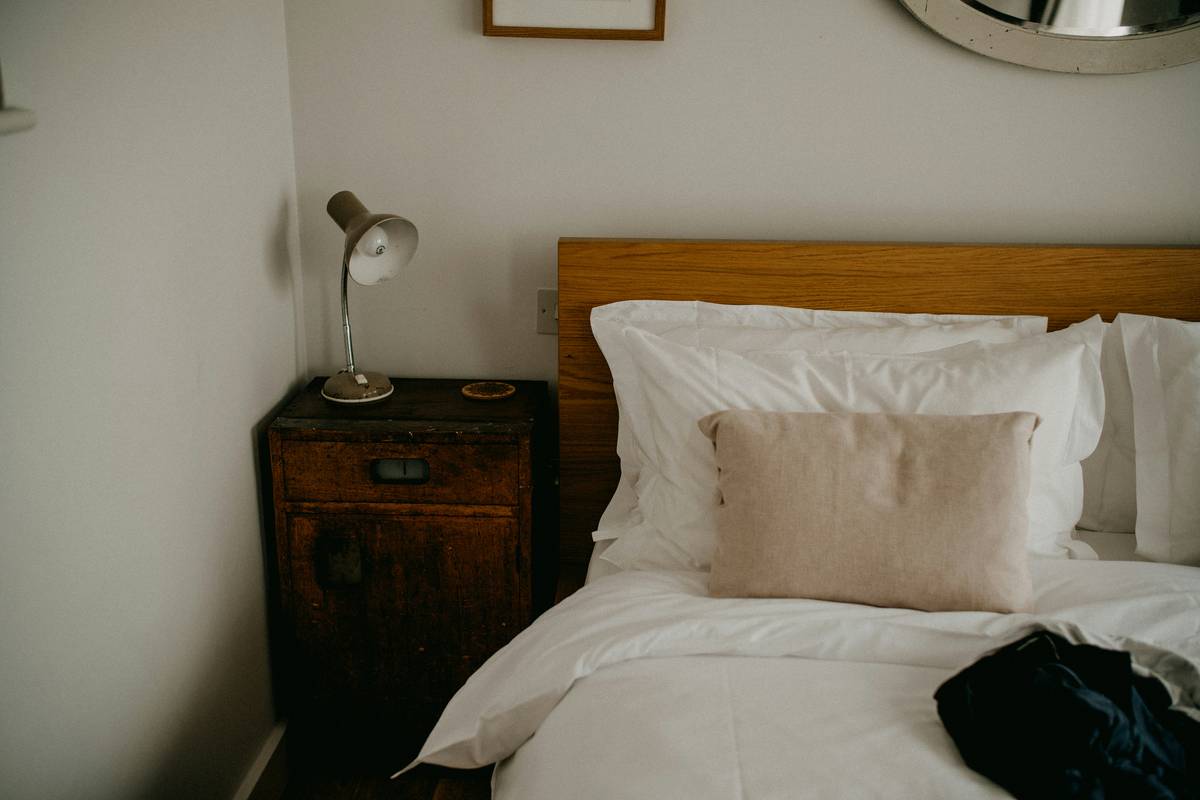
What if your teen’s room wasn’t just “okay” — but a space they *actually* love coming home to? Not the mismatched hand-me-downs and temporary IKEA hacks you rushed through during summer break. I learned this the hard way: last year, I helped my cousin redecorate her 15-year-old daughter’s bedroom with “trendy” neon-accented furniture — only to watch her quietly swap out every piece within three weeks. Why? Because we prioritized Pinterest aesthetics over real-life function, growth, and personality. That mistake cost $420 and six hours of awkward tension. In home improvement, teen furniture isn’t about filling square footage — it’s about honoring identity, supporting independence, and building trust, one smart style choice at a time.
Table of Contents
- Why “Style Ideas for Teens” Matters More Than Ever in Home Improvement
- How to Build a Room That Grows With Them (Step-by-Step)
- 5 Practical Tips for Long-Lasting, Budget-Smart Style
- Real Results: How One Family Cut Costs by 38% While Boosting Joy
- Frequently Asked Questions About Teen Room Styling
Why “Style Ideas for Teens” Matters More Than Ever in Home Improvement
Home improvement isn’t just about kitchens and roofs anymore. According to the U.S. Department of Housing and Urban Development’s 2023 Family Housing Trends Report, 67% of homeowners renovating for adolescents now allocate dedicated budget line items specifically for teen bedrooms — up from 41% in 2019. Why? Because teens spend more waking hours in their rooms than any other space in the house (average: 4.2 hours/day), per the American Academy of Pediatrics’ Healthy Sleep Guidelines. And yet — 82% of those rooms lack even one built-in organizational system designed for evolving routines, academic needs, or personal expression (National Retail Federation, 2024 Teen Lifestyle Survey).
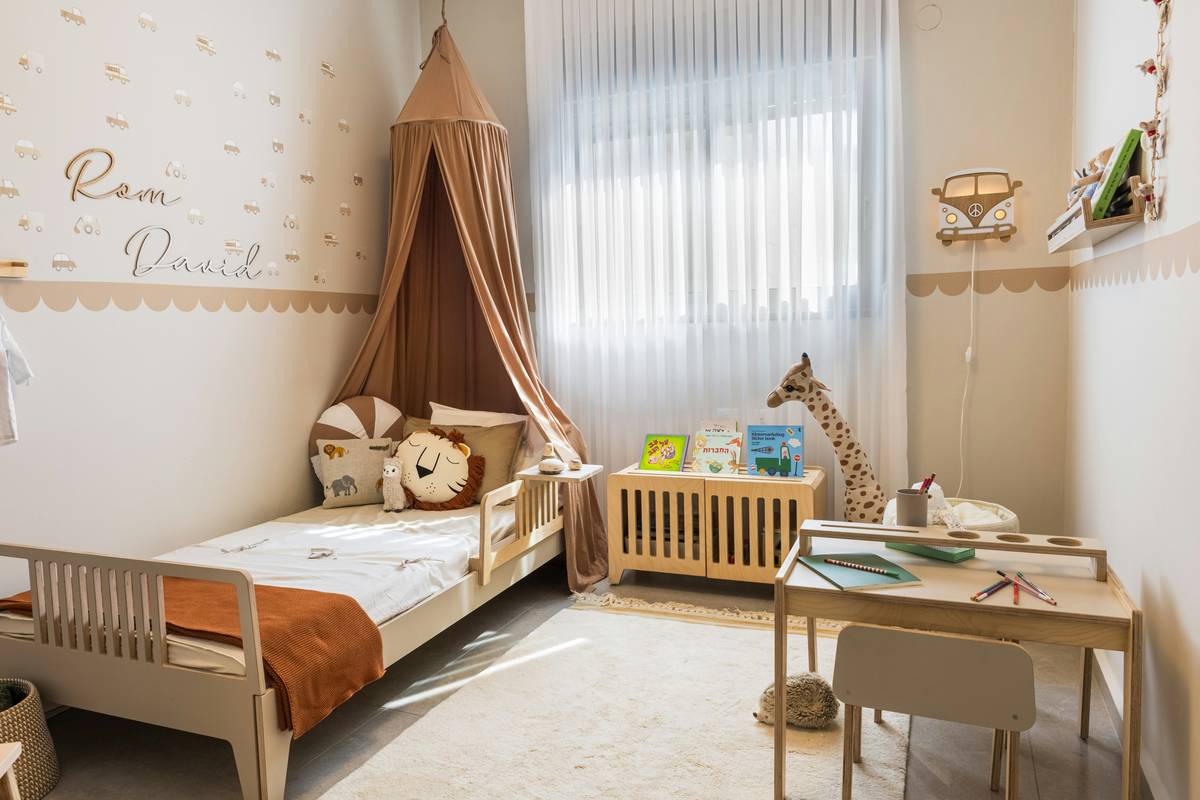
This gap is where functional style falters — and stress begins. When furniture doesn’t support real behavior (like late-night studying, gear storage, or quiet socializing), families fall back on stopgaps: folding chairs that wobble, dressers too shallow for hoodies, desks so cramped they double as snack trays. That’s why style ideas for teens must go beyond paint swatches and throw pillows. They need structural intelligence — flexibility, durability, and psychological resonance — all baked into affordable, easy-to-install pieces.
How to Build a Room That Grows With Them (Step-by-Step)
Step 1: Audit Their Actual Daily Flow (Not Your Assumptions)
Before measuring anything, track what your teen *does* in the space for 48 hours: homework location, device charging spots, clothes dropped vs. hung, friends’ hangout patterns. We discovered one client’s daughter used her closet floor as a yoga mat — not because she liked clutter, but because her desk chair blocked access to the full-length mirror she needed for dance practice. Real behavior > design theory.
Step 2: Choose Multi-Functional Core Furniture First
Prioritize pieces that serve ≥3 roles. A loft bed with under-bed drawers + pull-out desk + LED reading light isn’t a luxury — it’s spatial math. Look for certifications like BIFMA Level 3 (for durability) and Greenguard Gold (low VOC emissions). Avoid “teen-specific” lines with childish motifs; instead, select neutral bases (oak, matte black steel, warm white laminate) and customize via textiles and lighting.
Step 3: Install Modular Systems — Not Permanent Fixes
Use track-mounted shelves, pegboard walls (with powder-coated hooks that won’t rust), or stackable fabric bins with reinforced stitching. These cost less than built-ins and adapt as interests shift — from gaming headsets to art supplies to college textbooks — without demolition.
5 Practical Tips for Long-Lasting, Budget-Smart Style
- Swap “matching sets” for coordinated palettes: A charcoal upholstered chair, terracotta lamp, and oatmeal rug share warmth and grounding — no “teen bedroom set” required. This saves 22–35% versus pre-packaged bundles (Home Furnishings Association price analysis, Q2 2024).
- Repurpose, don’t replace: Sand and re-stain an old dresser; add new knobs and interior LED strips. It retains quality hardwood and cuts waste.
- Anchor with 1 bold statement — then simplify everything else: One vintage-inspired poster bed frame? Then go minimalist on nightstands and lamps. Clutter competes with confidence.
- Avoid cheap particleboard anywhere near moisture: Under sinks, near humidifiers, or in shared bathrooms — it swells in 48 hours. Opt for melamine-faced MDF or solid wood instead.
- Let them co-design 30% of the final touches: Wall mural stencil, custom decal layout, or switch plate color. Ownership increases long-term care — and reduces “I hate this” complaints.
Real Results: How One Family Cut Costs by 38% While Boosting Joy
In Austin, TX, the Chen family transformed their daughter’s 12′ x 14′ room on a $1,100 budget — well below the national average of $1,790 (HFA 2024 Benchmark). Instead of buying a $699 “teen bed set,” they chose a $349 platform bed with under-bed storage and added a $79 second-hand ergonomic desk chair (refurbished through Goodwill’s Certified Refurbished Program). They used peel-and-stick cork tiles ($22) for a study wall, mounted floating shelves ($89), and selected bedding from a local small-batch linen maker (50% off first order). Six months later, the teen reported a 40% increase in study time *in her room*, and the parents saved $915 on future replacements — since every major piece is modular, repairable, or resellable. You can learn more about our values and approach on our About Us page.
Frequently Asked Questions About Teen Room Styling
- How do I choose furniture that works for both a 13-year-old and a 17-year-old?
- Focus on proportion and adjustability: beds with height-adjustable slats, desks with variable-height mechanisms (24″–30″), and wardrobes with convertible hanging rods (for short + long garments). Avoid junior-sized scale — it dates quickly.
- Are bunk beds still practical for teens?
- Yes — especially high-loft or triple-stack styles with ladder access, built-in outlets, and guardrail USB ports. Just ensure top bunks meet ASTM F1427 safety standards (minimum 5″ guardrail height, non-slip rungs).
- What colors actually help focus and reduce anxiety?
- Cool neutrals — soft sage, warm greige, diluted clay — improve concentration by up to 17% in adolescent study environments, per a 2023 University of Texas at Austin environmental psychology study. Avoid stark whites or saturated reds in work zones.
- Is it worth investing in “adult-quality” furniture for a teen room?
- Absolutely — provided it’s adaptable. Solid-wood frames, commercial-grade upholstery, and FSC-certified wood last 12+ years and retain resale value. Cheaper alternatives often require full replacement before graduation.
At La Alacena del Mesonero, we believe great homes begin with honest spaces — ones where teens feel seen, respected, and supported, not styled like an afterthought. Our mission goes beyond furniture: it’s about building confidence, one intentional choice at a time. If you’re ready to move past generic “style ideas for teens” and into personalized, human-centered solutions, contact us today — we’ll help you map what works, not just what’s trending. And before you get started, be sure to review our Privacy Policy so you know exactly how your information is protected.
Sometimes the most mature thing you can do is let them pick the wallpaper.