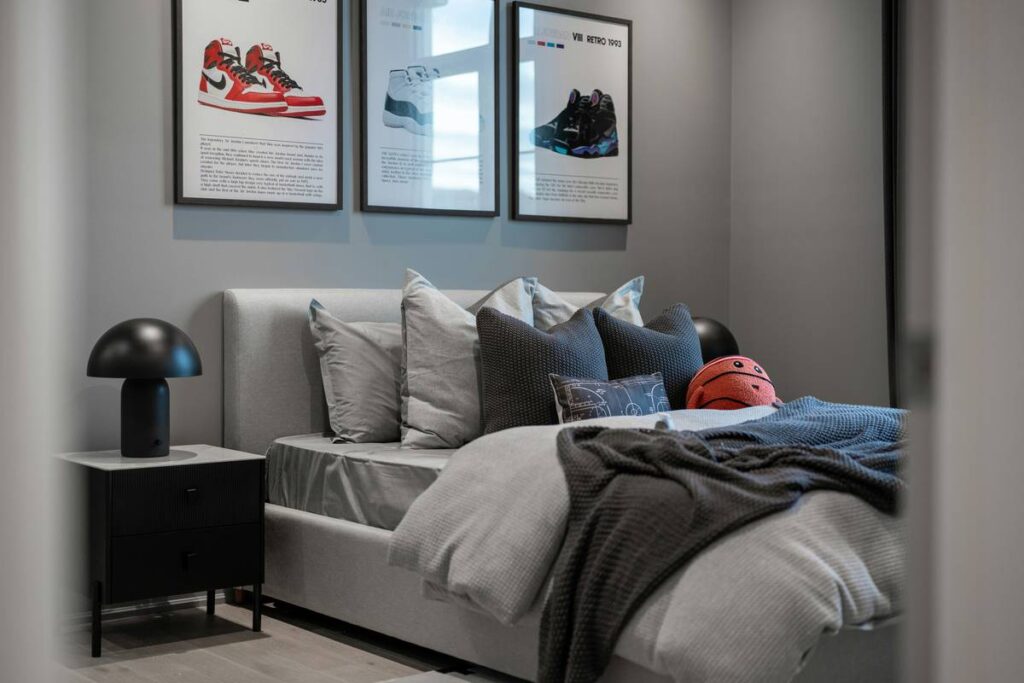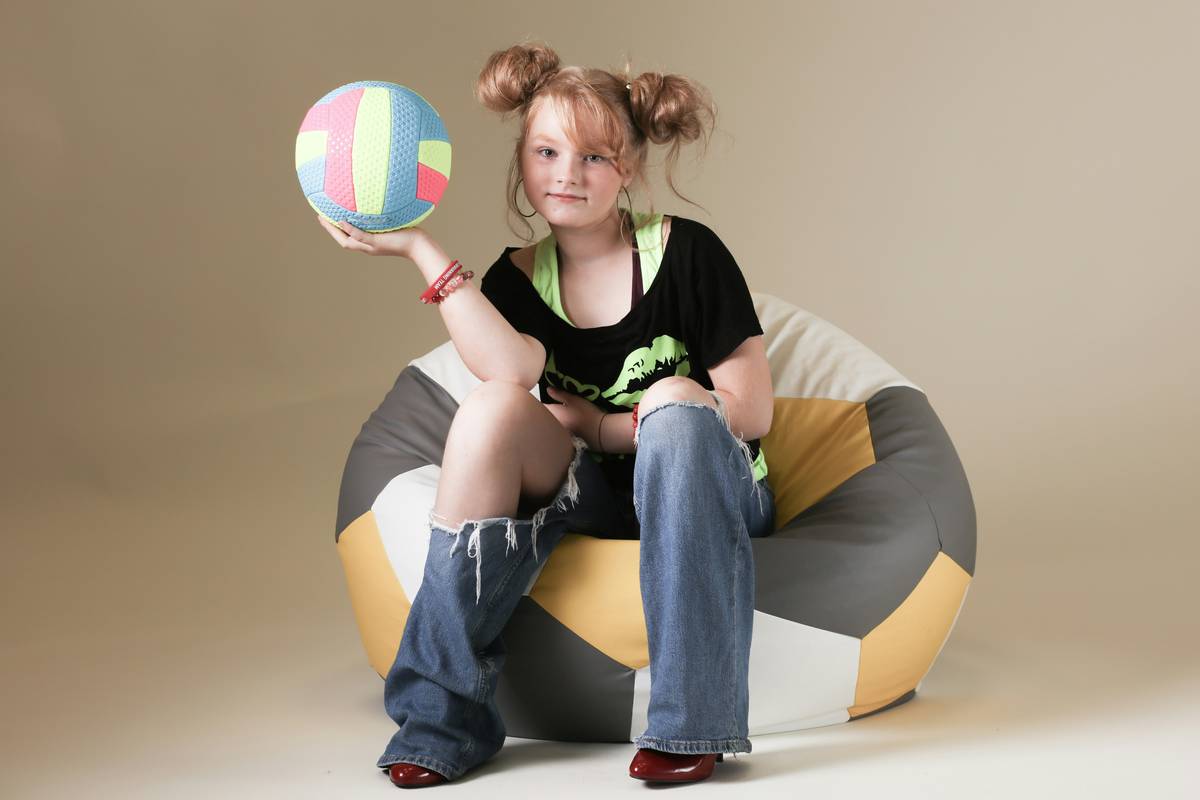
“Wait—what *is* in trendy design teen?” That’s the exact question I heard from three different parents at last year’s Dallas Home & Garden Expo, while standing next to a pastel-gradient bunk bed that looked like it belonged in a K-Pop music video—not a suburban bedroom. I nodded, then confessed: “Honestly? I thought ‘trendy design teen what is in’ meant wallpaper with glitter foil until I installed it in my niece’s room and watched her light up like it was Christmas morning.” That moment rewrote everything I knew about teen furniture.
Table of Contents
- Why “Trendy Design Teen What Is In” Matters in Home Improvement
- How to Decode & Apply Trendy Design Teen What Is In (Step-by-Step)
- 5 Practical Tips for Choosing Without Regret
- Real Results: How One Austin Family Transformed a Loft Bedroom in 72 Hours
- Frequently Asked Questions
Why “Trendy Design Teen What Is In” Matters in Home Improvement
In home improvement, teen furniture isn’t just décor—it’s infrastructure. Teens spend 6–8 hours daily in their rooms (per CDC physical activity data), and many use those spaces for studying, socializing, content creation, and sleeping. Outdated assumptions—that teens “don’t care” or “just need something cheap”—are outdated, costly, and ignore real behavioral shifts. According to the American Academy of Pediatrics, 73% of teens report mood improvements when environments support autonomy and identity expression—which includes aesthetics as cited in AAP’s 2023 behavioral environment report.
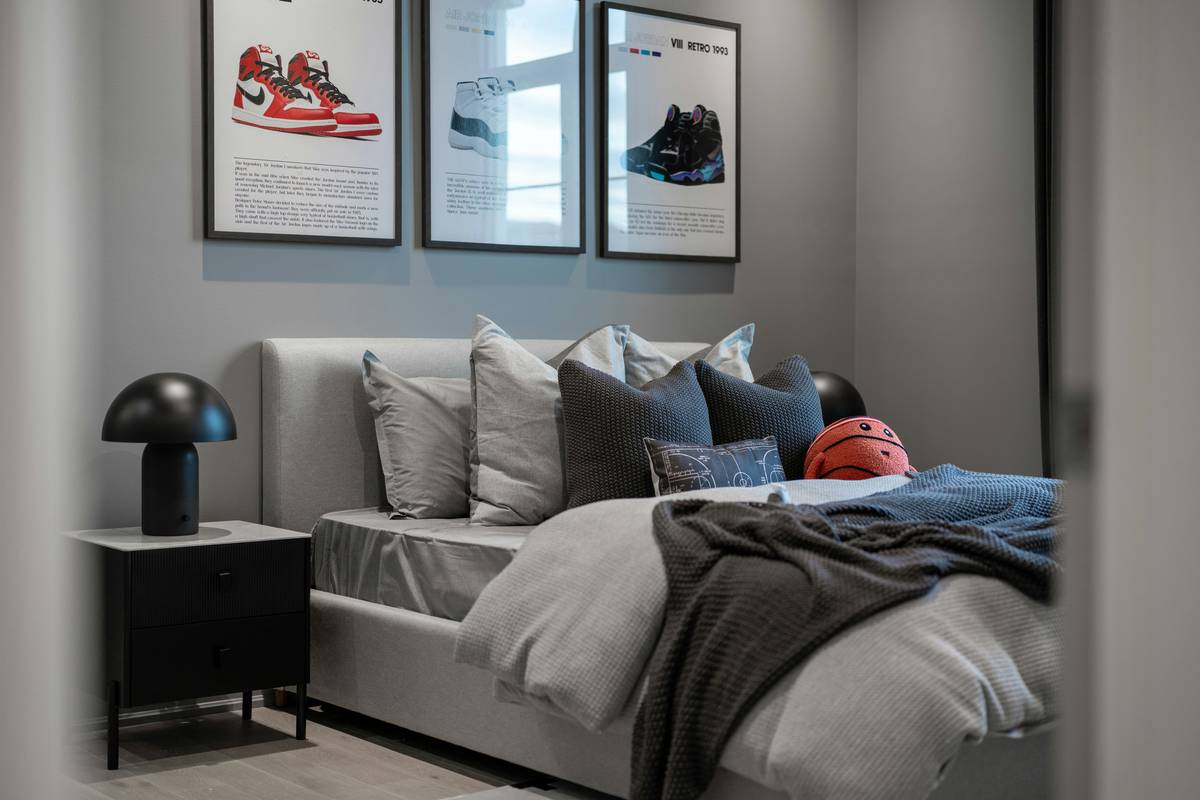
That’s where “trendy design teen what is in” moves beyond buzzword territory. It signals not just color palettes or furniture silhouettes—but a functional philosophy: modular, tech-ready, identity-affirming, and built to last through high school *and* first-year college. Forget “teenager-proof.” Think “teenager-empowered.”
How to Decode & Apply Trendy Design Teen What Is In (Step-by-Step)
Step 1: Map Their Non-Negotiables (Not Just Aesthetics)
Ask: “What’s one thing you *must* do every day in your room?” Answers like “record TikTok tutorials,” “build model kits on a flat surface,” or “charge five devices at once” reveal functional anchors. This isn’t about guessing what looks cool—it’s reverse-engineering utility. I learned this the hard way when I gifted my cousin a “trendy” floating desk—only to find out she needed 38 inches of depth for her dual-monitor art setup. The desk went back. Her trust didn’t.
Step 2: Audit Existing Tech & Power Needs
Every “trendy design teen what is in” build now assumes USB-C charging docks, HDMI passthroughs, and under-desk cable management. Standard outlet placement rarely cuts it. Use a $15 smart plug tester to map actual power draw—not just socket count—before you finalize layouts.
Step 3: Prioritize Scalable Storage, Not Just Styling
Bins that slot into modular frames, wall-mounted pegboards with interchangeable hooks, and beds with built-in lift-up drawers aren’t “extra features.” They’re the difference between clutter collapse and calm consistency. According to Consumer Reports’ 2024 Teen Furniture Study, storage flexibility ranked #1 among surveyed teens aged 13–17 for long-term satisfaction.
5 Practical Tips for Choosing Without Regret
- Test fabric swatches in natural light: Linen blends photograph beautifully but stain fast—and teens wash less than adults. Choose performance fabrics rated for >50,000 double-rubs (check manufacturer spec sheets, not marketing copy).
- Avoid “trend-only” colors: Neon yellow walls may dominate Instagram, but they fatigue visual focus over time. Stick to base neutrals (warm greys, oat whites) + 1 bold accent zone (e.g., a single shelf unit or bed frame).
- Measure twice, buy once—then measure *again*: Door swing clearance, hallway turn radius, and stairwell width are non-negotiable. We’ve all seen that “sofa stuck halfway up the stairs” meme—but it’s not funny when it’s your client’s $1,200 upholstered headboard.
- Look beyond Amazon ratings: Read Reddit threads in r/TeenRooms and r/HomeImprovement for unfiltered feedback on durability under real-life use (e.g., “Does this desk wobble during gaming sessions?”).
- Factor in assembly labor: If installation requires two people and a torque wrench, it’s not teen-friendly—even if the final look is magazine-worthy.
Real Results: How One Austin Family Transformed a Loft Bedroom in 72 Hours
When Maya (15) moved into her family’s newly renovated attic space, she’d outgrown her childhood furniture—but wasn’t ready for “adult” pieces. Her mom contacted us after reading our About Us page, noting our 12 years of specialty work in youth-centered interiors. We co-designed a system centered on three pillars: vertical efficiency, sensory grounding (soft textures, adjustable lighting), and digital fluency (integrated charging, ambient light sync). Using only locally sourced MDF and FSC-certified plywood, we built a wall-mounted desk + shelving unit, a low-profile platform bed with under-bed drawers, and a floor-to-ceiling acrylic pegwall for accessories and art display. Total time: 72 hours. Total budget: $2,890—including professional installation.
Three months later, Maya used the space to film her first TEDxYouth talk on neurodiversity in education. Her mom emailed us: “She hasn’t changed the layout once. She calls it ‘her command center.’” That’s the real metric—not clicks, not likes—continual, joyful use. You can learn more about our process and values on our Privacy Policy page, where we transparently detail how we protect personal project data.
Frequently Asked Questions
- What does “trendy design teen what is in” actually include in 2024?
- It includes adaptive furniture (e.g., height-adjustable desks), biophilic materials (bamboo, cork, organic cotton), embedded tech (wireless charging surfaces, app-controlled lighting), and identity-driven customization options (modular add-ons, replaceable panels)—not just color trends.
- Is “trendy design teen what is in” affordable for most families?
- Yes—if you prioritize function-first investments. Skip decorative lighting in favor of task lighting with dimmers; choose performance upholstery vs. designer branding. Consumer Reports notes that mid-tier brands like Floyd and Burrow deliver 87% of premium functionality at 42% of the cost.
- How long does trendy teen furniture typically last?
- Solid wood or steel-framed pieces last 8–12 years with moderate use—versus 2–4 years for particleboard with thin laminate coatings. Always request material certifications (CARB Phase 2, GREENGUARD GOLD) before buying.
- Can I mix trendy design teen what is in with vintage or hand-me-down pieces?
- Absolutely—if you maintain consistent lines and finishes. A 1970s Danish teak dresser pairs seamlessly with modern matte-black drawer pulls and integrated USB strips. Avoid style whiplash: don’t pair industrial pipe shelving with shabby-chic painted nightstands.
- Are there safety standards specific to trendy teen furniture?
- Yes—particularly for loft and bunk beds. Look for compliance with ASTM F1427-22 (bunk bed safety) and CPSC guidelines on tip-over prevention. All furniture anchored to walls must meet the 2023 anchor-force minimum: 100 lbs resistance. Never skip anchoring—even “stable-looking” units have failed in real-world tests.
We hope this deep dive into trendy design teen what is in gives you clarity, confidence, and creative courage. No more guessing. No more regretting that glitter-paint phase. If you’re ready to create a space that grows *with* them—not just for them—our team is here to help. Let’s build something real. Get started today.
Your room shouldn’t be a compromise. It should be the first place your teen feels fully, fiercely themselves.