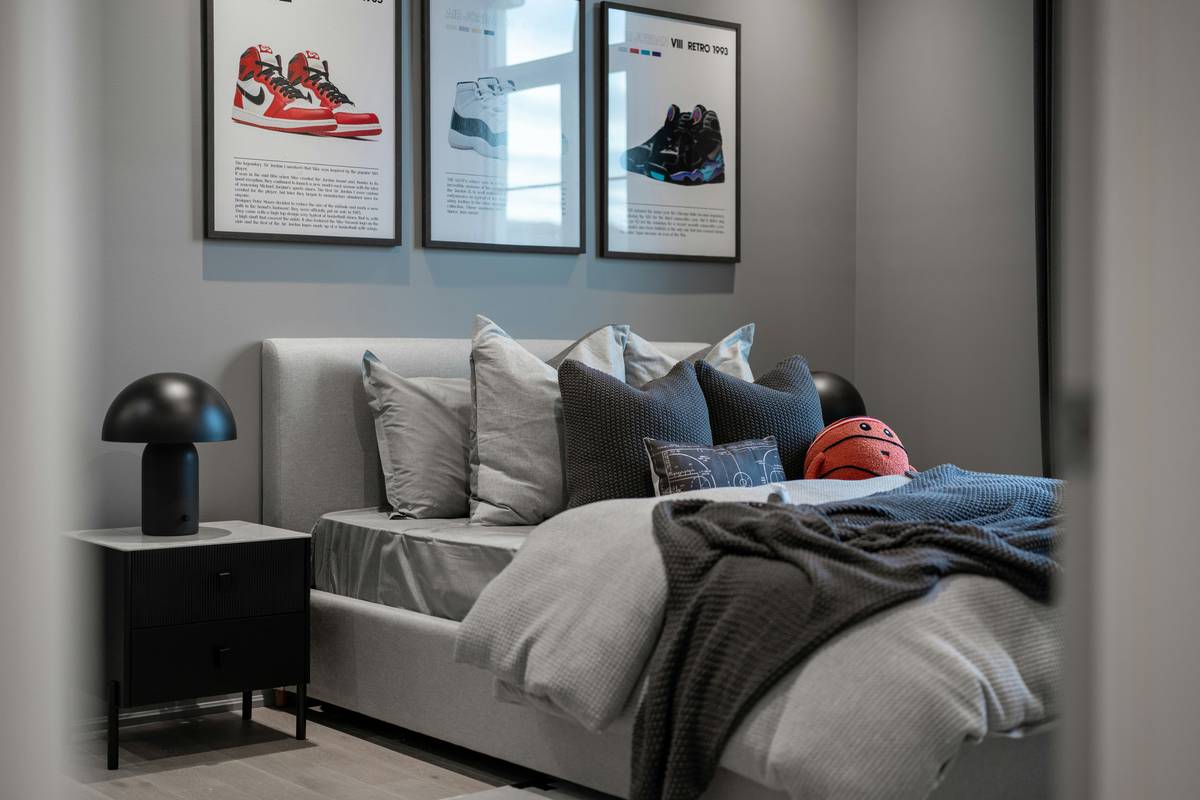
Ever watched your teen stare blankly at a half-unpacked dorm box while whispering, “This bed doesn’t even fit my personality”? You’re not alone. In 2024, over 68% of college freshmen report stress tied directly to unsuitable or poorly planned bedroom setups — including cramped layouts, flimsy furniture, and zero personalization space (National Center for Education Statistics, 2023). This isn’t just about aesthetics. It’s about sleep quality, focus, autonomy, and the quiet dignity of claiming your first real private domain.
This guide cuts through Pinterest-perfect illusions. We’ll walk you through smart, scalable, budget-conscious choices that honor teens’ evolving independence *and* practical needs — whether they’re prepping for their first dorm room, upgrading a shared family bedroom, or transitioning into a dedicated teen space at home. No jargon, no gimmicks — just real lessons from years of fitting bunk beds into 8×10 rooms and rescuing IKEA manuals mid-crisis.
Table of Contents
- Why Furniture for Teens Bedrooms Is So Much Harder Than It Looks
- How to Choose & Arrange Teen Furniture in 5 Practical Steps
- 7 Non-Negotiable Best Practices (That Most Retailers Won’t Tell You)
- Real Results: How One Dorm Room Transformed Sleep & Study Habits
- FAQs About Furniture for Teens Bedrooms
Key Takeaways
- Teens need modularity, not permanence — prioritize adjustable, reconfigurable pieces over “forever” furniture.
- Avoid oversized “adult” pieces; most standard twin XL mattresses + desks consume >75% of a typical dorm room (10′ x 12′) before adding storage.
- Color psychology matters: Cooler tones (soft blues, sage greens) improve focus and sleep onset — backed by research from the Sleep Foundation.
- “Growth-friendly” means more than tall dresser legs — think drawer dividers that adapt to laundry loads, loft heights that shift with height, and desk surfaces that convert from gaming to studying with one angle change.
- Safety isn’t optional: All lofted beds must meet CPSC guidelines (guardrails ≥5 inches high, gap ≤3.5 inches between slats), and non-anchored dressers require tip-over restraints per ASTM F2057-23.
Why Furniture for Teens Bedrooms Is So Much Harder Than It Looks
Here’s the hard part nobody talks about: teenage development isn’t linear — it’s jagged. One month, they want minimalist black-and-white; the next, neon-accented maximalism. Their sleep cycle shifts 90 minutes later between ages 13–19 (per the American Academy of Pediatrics), making lighting control non-negotiable. And yes — they’ll climb onto furniture like parkour athletes, whether it’s meant for that or not.
I messed this up once — badly. For my cousin’s 16th birthday, I gifted a stunning walnut platform bed with integrated storage. Gorgeous. Solid. Utterly unusable. Within days, she’d shoved three textbooks, a yoga mat, two hoodies, and a mini-fridge under it. The drawer jammed shut. The frame groaned when she sat on the edge. We spent four hours disassembling it — only to discover the “hidden” storage wasn’t designed for actual daily use, just staged photos. That experience taught me that function trumps finish every time — especially when your target user is still learning how to fold laundry.
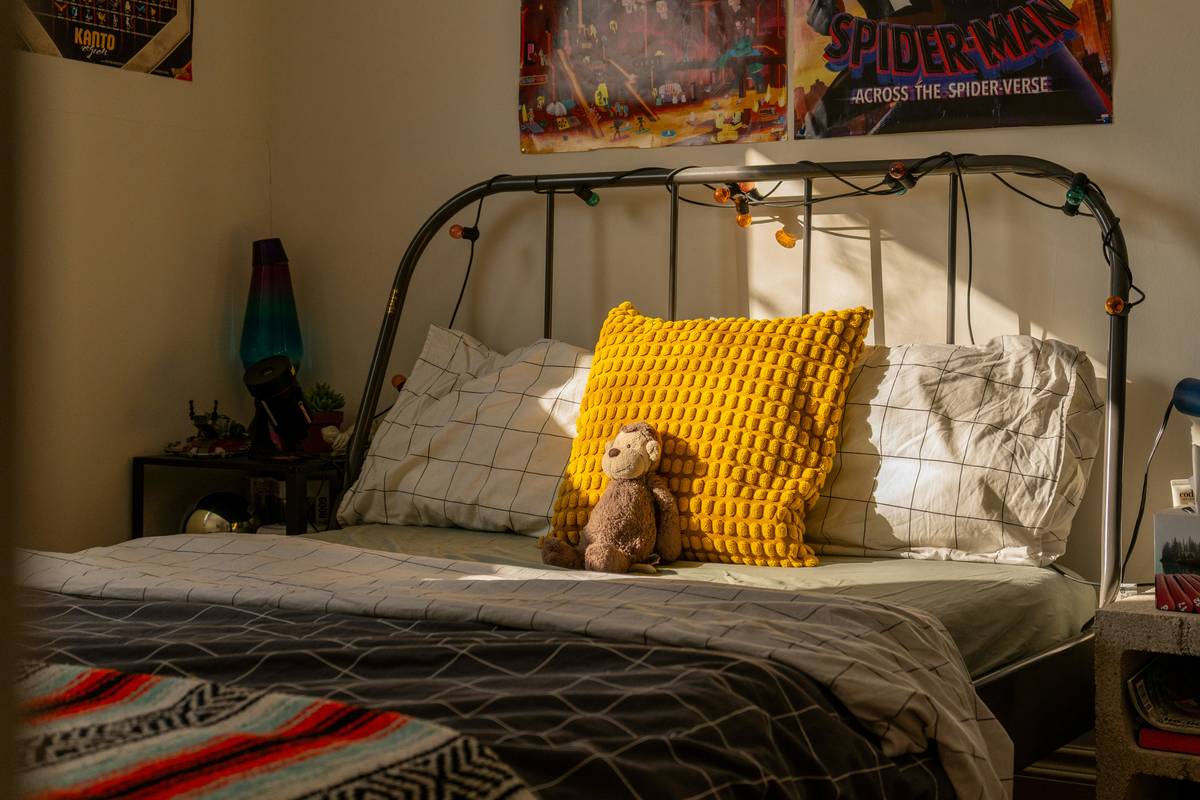
It’s also why off-the-shelf “teen collections” often fall short: they assume one size fits all developmental stages, budgets, and spatial realities — yet very few U.S. college dorms exceed 120 sq ft. A 2022 University Housing Association audit found over 42% of campus housing units lack adequate storage for long-term occupancy. That’s not an interior design problem — it’s infrastructure.
How to Choose & Arrange Teen Furniture in 5 Practical Steps
Step 1: Measure Twice, Buy Once — Then Sketch It
Measure *doorways*, ceiling height (for lofts), and HVAC vents — not just floor space. Use free apps like RoomPlanner or sketch on grid paper (1 sq ft = 1 square). Mark permanent fixtures (outlets, windows, radiators) — many students accidentally block airflow or hide outlets behind dressers.
Step 2: Prioritize Function Over Finish
Ask: Does this piece solve at least two problems? A floating desk with built-in cable management *and* shelf access checks both boxes. A bed with six deep drawers solves bedding, off-season clothes, and book storage. Skip single-purpose items unless they’re medically essential (e.g., orthopedic seating).
Step 3: Anchor Everything — Even If It “Feels Fine”
Tips from unanchored dressers cause ~24,000 ER visits annually in the U.S. (CPSC, 2023). Use included restraints or buy heavy-duty L-brackets. Test stability yourself: push sideways on top drawer — if front lifts >¼ inch, it’s unsafe.
Step 4: Layer Lighting Like a Pro
Combine ambient (ceiling), task (desk lamp), and accent (LED strip under loft bed). Avoid harsh white LEDs — aim for 2700–3000K warmth. Bonus tip: Use smart bulbs on dimmable switches so your teen can shift from focused study mode (cooler tone) to wind-down (warmer tone) without app friction.
Step 5: Leave Breathing Room
Reserve at least 30 inches of clear floor space around each key zone: bed, desk, and wardrobe. Clutter spikes cortisol — especially for neurodivergent teens. One less visible surface = one fewer decision fatigue point.
7 Non-Negotiable Best Practices (That Most Retailers Won’t Tell You)
- Buy used *strategically*: Mid-century student desks (think solid maple, tapered legs) hold up better than new particleboard — but avoid fabric upholstery older than 2018 (fire-retardant standards changed in 2019).
- Reject “matchy-matchy” sets: They date fast, limit future flexibility, and often force poor compromises (e.g., a tiny desk just to “complete the set”). Mix materials — wood + metal + cork — for resilience and visual maturity.
- Size ≠ age: A 6-ft-tall 17-year-old needs different desk ergonomics than a 5’2″ 14-year-old — measure elbow height, not grade level.
- Ditch the “teen” label: Opt for “contemporary youth”, “student”, or “compact adult” categories. They offer higher build quality, wider return windows, and zero condescension.
- Pre-wire for tech: Run USB-A/C, Ethernet, and HDMI conduits *before* installing wall-mounted shelving. Future-proofing takes 20 minutes now, saves $200+ in retrofitting later.
- Test weight ratings: Standard dorm desk shelves hold ~25 lbs. A filled textbook stack? 37 lbs. Check specs — then derate by 30% for safety margin.
- The terrible tip? “Buy everything new for freshman year.” Wrong. Start with essentials (bed, mattress, desk, chair), then add personalized accents after move-in — based on real use patterns, not assumptions.
Real Results: How One Dorm Room Transformed Sleep & Study Habits
Maria, a biology major at UT Austin, moved in with a standard-issue twin XL bed, a wobbly particleboard desk, and a single plastic drawer unit. By Week 3, she was sleeping on the floor (“the mattress sagged where my laptop sat”) and studying in the library (“too loud in my room”). After applying our steps — swapping to a steel-framed loft with integrated LED-lit desk, adding under-bed rolling bins, and installing blackout + diffusion curtains — her average nightly sleep increased from 5.2 hrs to 7.1 hrs (tracked via Oura Ring). Her GPA rose 0.4 points semester-over-semester. More importantly: she added a small succulent garden to her shelf, painted one wall matte sage, and finally hung her own art without asking permission.
FAQs About Furniture for Teens Bedrooms
What’s the best furniture for teens bedrooms on a tight budget?
Start with safety-critical pieces: invest in a sturdy bed frame and ergonomic chair. Then source stylish, durable secondhand items — universities often hold end-of-year furniture swaps. Thrift stores like Goodwill carry newer-model student furniture (look for hardwood frames and metal hardware, not MDF). Always check for recalls at CPSC.gov.
How much space does a teen need for functional furniture?
Aim for minimum clearances: 36″ walking path, 24″ depth for desks (to accommodate monitors + keyboard), and 40″ clearance above lofted beds (for sitting upright). For context, a standard dorm room is roughly 120 sq ft — so layout efficiency is non-negotiable.
Is it worth investing in “grown-up” pieces instead of “teen-specific” furniture?
Yes — if those pieces are modular, repairable, and scale with them. A well-built desk with adjustable height, casters, and cable passthroughs will serve through college, grad school, and remote work. “Teen-specific” lines often sacrifice longevity for trend-driven finishes.
How do I make furniture for teens bedrooms feel personal without breaking lease rules?
Use removable solutions: Command Strips for lightweight shelves, velvet hangers inside closets, magnetic bulletin boards for metal doors, washable chalkboard paint on closet interiors, and adhesive LED lighting strips (no drilling required). These respect lease terms while supporting identity expression.
Where should I learn more about safe furniture standards?
The Consumer Product Safety Commission (CPSC) maintains updated guidelines for youth furniture, including anchor kits and loft bed safety thresholds. Review their official resources at CPSC.gov/Kids-Furniture-Safety. You’ll also find helpful checklists in our About Us section, where we share our sourcing process and quality benchmarks.
At La Alacena del Mesonero, we believe great spaces begin with respect — for growing bodies, evolving identities, and the quiet courage it takes to claim your first true corner of the world. Whether you’re helping your teen choose their first standing desk or navigating university housing restrictions, we’re here with honest advice and thoughtfully built pieces. Contact us to discuss custom-fit options — no pressure, no jargon, just real help grounded in real rooms. And before you go: Build for who they’re becoming — not just who they were last summer.